Chemical Peels in Teaneck, NJ
Chemical peel is a medical-grade skin treatment that uses a controlled acid solution to remove damaged outer layers of skin, improving the look of acne, dark spots, melasma, uneven tone, rough texture and fine lines. Chemical peel options include light peels and medical-grade VI Peel formulas, chosen for the face, neck, chest and hands. Most light peels need only a few days of flaking, and many people go back to their usual routine the same day.
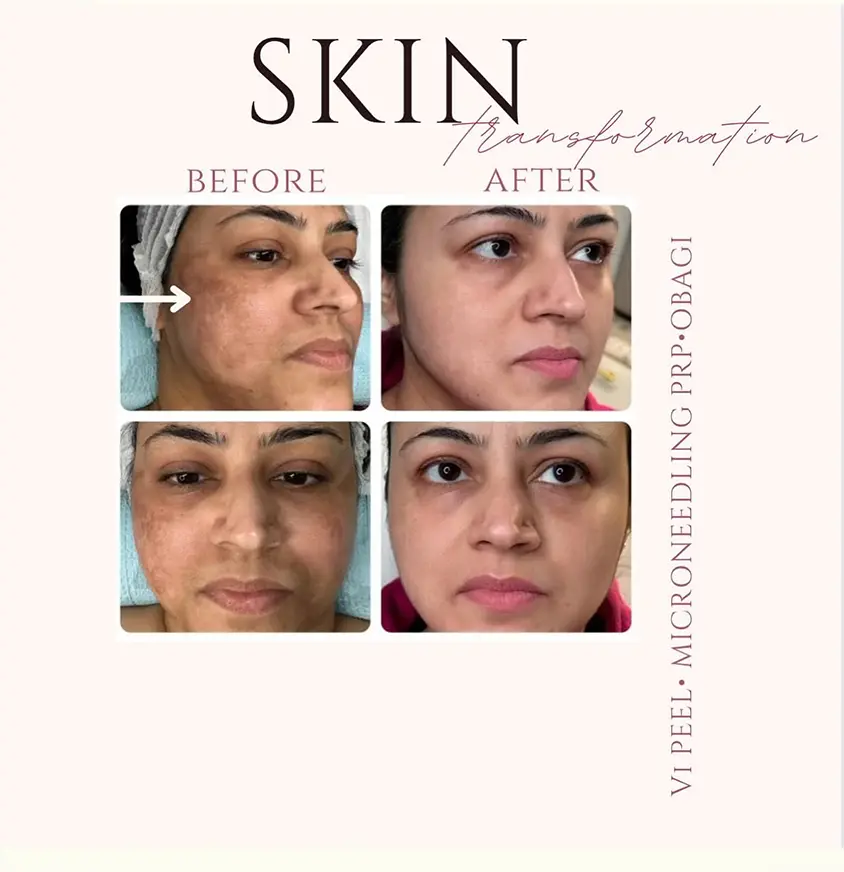
Each chemical peel plan is tailored to your skin type, skin tone, medical history and goals. That may mean calming breakouts, fading post-acne marks and sun spots, managing melasma, or smoothing rough, dull skin. Results show once your skin has healed, usually within about a week of a light peel, and build with each peel in a series. How much improvement you see depends on the peel, your skin and how well you protect it from the sun.
Chemical peel care at Xthetics Med Spa is provided by Leticia Camacho, DMSc, PA-C, under the medical supervision of Richard Gajdowski, MD.
Conveniently located at 185 Cedar Lane L1 in Teaneck, NJ, Xthetics Med Spa proudly serves patients from Englewood, Hackensack, Bergenfield, Fort Lee, Leonia, and communities across Bergen County.
Call (201) 338-5186 or book online to schedule your chemical peel consultation.
What Are Chemical Peels?
Chemical peels are professional exfoliating treatments: a trained provider applies an acid solution that removes a set depth of damaged skin, and your skin heals with a smoother, more even surface. The peel loosens the bonds between old surface cells, which then flake or peel away over several days. Peels also prompt your skin to make more collagen and elastin.
Peels are grouped by depth. Light (superficial) peels use milder acids such as glycolic, lactic, mandelic or salicylic acid, or low-strength trichloroacetic acid (TCA), and treat the top layer of skin. Medium peels usually use about 35% TCA, often after a first layer of Jessner’s solution, and reach a little deeper. Deep peels use phenol and need general anesthesia and heart monitoring, so they’re done in a surgical setting; we don’t offer them. Branded peels such as VI Peel blend several ingredients; the maker lists TCA, salicylic acid and vitamin C.
The FDA has not approved any chemical peel product, and in 2024 it warned consumers not to use high-strength peels sold online without professional supervision, after reports of burns, infection, skin color changes and scarring. A medical-grade peel belongs in the hands of a licensed, trained provider who has checked your skin and health history first. If you want a gentler, no-downtime refresh instead, a HydraFacial may suit you better.
Chemical Peel Benefits
Depending on your skin type and goals, chemical peels may help:
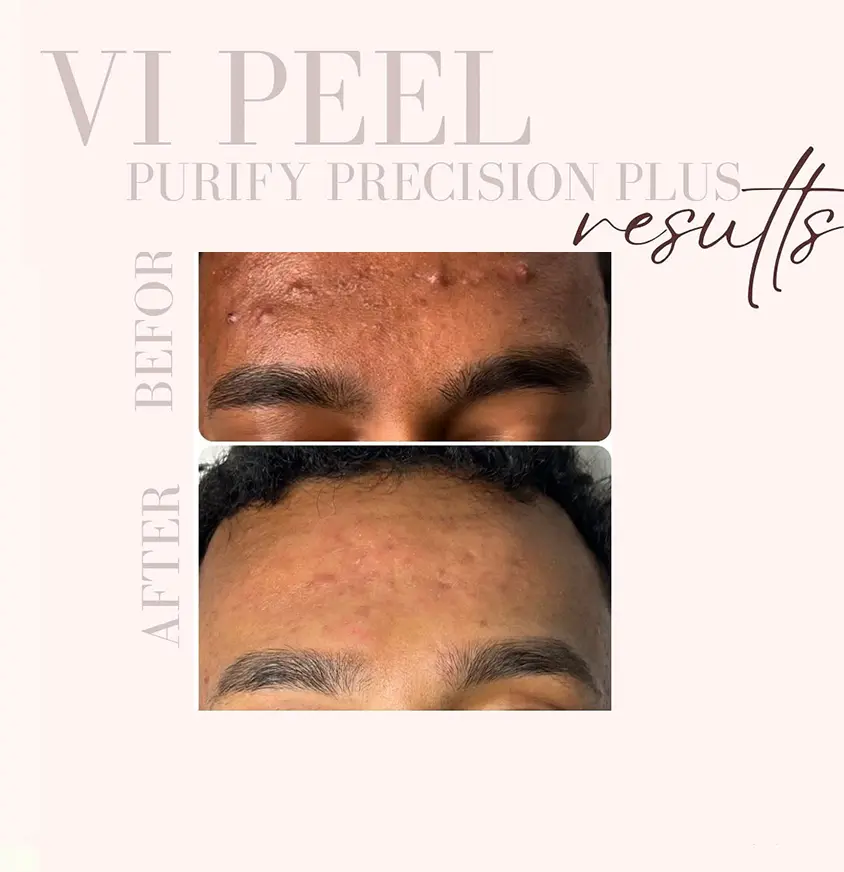
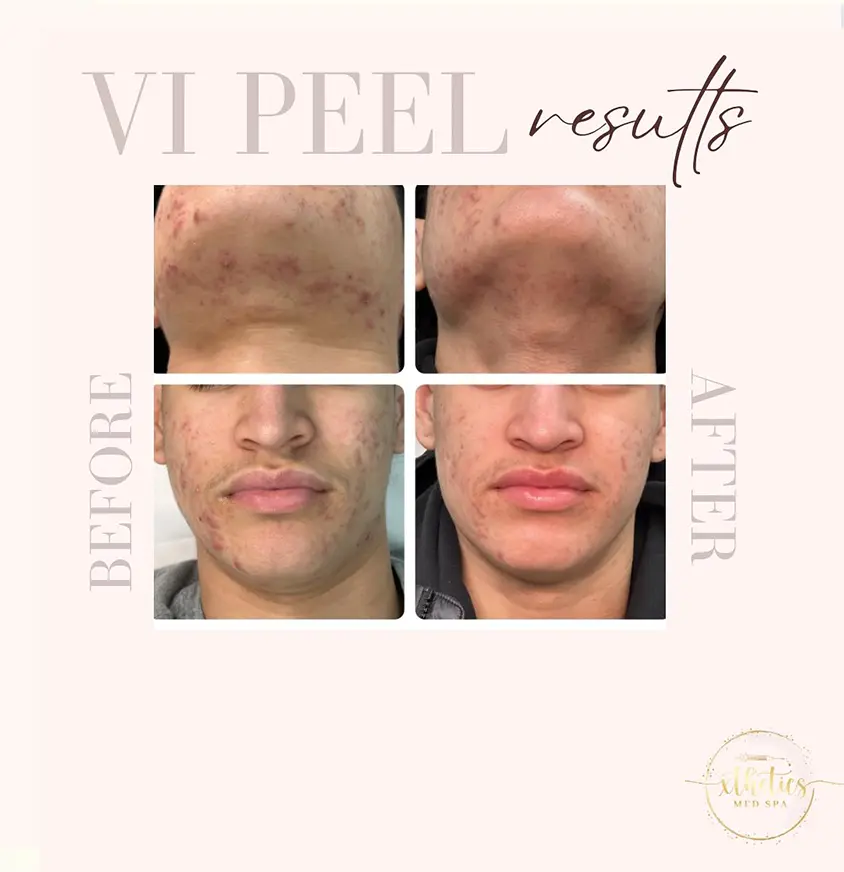
- Help Control Acne: Salicylic acid peels are a common choice for acne-prone skin and work best alongside your daily acne skin care.
- Fade Post-Acne Marks: Help fade the brown marks that breakouts can leave behind.
- Improve Melasma and Uneven Tone: Glycolic acid peels have the most evidence for melasma, combined with daily sunscreen and a skin-lightening routine.
- Lighten Sun Spots and Freckles: Gradually lighten spots and blotchiness caused by sun damage.
- Smooth Rough, Dull Skin: Remove dull surface cells for brighter, smoother-feeling skin.
- Soften Fine Lines: Especially fine lines under the eyes and around the mouth.
- Soften Mild Acne Scars: A series of peels can soften shallow, depressed scars.
Results depend on the peel, its strength, the number of sessions and your aftercare. Chemical peels don’t lift sagging skin or erase deep wrinkles and deep scars. For deeper acne scars, microneedling or Morpheus8 is usually more effective; for lines that appear when you frown or squint, consider Botox; and for lost volume, dermal fillers.
Where Chemical Peels Can Be Performed
Chemical peels can be used on the face and on other areas with sun damage, uneven tone or breakouts. Depending on your skin and the peel chosen, treatment areas may include:
- Face: Improve acne, dark spots, melasma, dullness and fine lines.
- Around the Eyes and Mouth: Soften fine lines in these delicate areas with carefully chosen peels.
- Neck: Even out sun damage and uneven tone.
- Chest (Décolletage): Improve sun spots and blotchy pigment.
- Hands: Lighten age spots and sun damage on the backs of the hands.
- Back and Body: Help with breakouts and uneven tone on larger areas.
Not every peel is right for every area or every skin tone. Medium-brown and deep skin tones need gentler acids and a test spot first, and any rough, scaly or changing spot should be checked by a dermatologist before cosmetic treatment. Your provider will decide which peel, if any, suits your concern.
Available Chemical Peel Treatment Options
Depending on your skin evaluation and goals, treatment options may include:
- Light (Superficial) Peels: Glycolic, lactic, mandelic or salicylic acid peels for dullness, mild acne, post-acne marks and uneven tone. Expect about 1–7 days of redness and flaking; most people do a series of 3–5 peels, every 2–5 weeks.
- Medium Peels: TCA-based peels for fine lines, sun damage and deeper discoloration. Expect about 7–14 days of healing; medium peels are spaced months apart.
- VI Peel: A medical-grade blended peel with formulas for acne, pigment and aging skin. Peeling usually starts around day 3 and lasts about 3–4 days.
- Acne Peels: Salicylic acid-based peels used as an add-on to your acne treatment plan.
- Pigment and Melasma Peels: Glycolic acid and other peels combined with sunscreen and a skin-lightening routine. For stubborn sun spots and redness, Lumecca IPL is another option.
- Peels Combined With Microneedling: For acne scars, a 2024 review of 24 trials found that microneedling combined with a peel worked best. Learn more about microneedling in Teaneck.
- Skin Assessment and Treatment Planning: Includes a review of your skin type, health history, medicines and past reactions, a test spot when needed, and a plan for the number of peels.
How many chemical peels do I need?
Most people need a series of 3 to 5 light peels, spaced about 2 to 5 weeks apart, to see their best result. Some concerns, such as melasma or post-acne marks, may need 4 to 6. Medium peels are usually done once and repeated only months later if needed. After your series, occasional maintenance peels help keep your results, especially for pigment.
Do chemical peels hurt?
Most people describe a light peel as a warm feeling, then stinging or tingling, that lasts a few minutes. A fan or cool compress helps, and salicylic acid has a mild numbing effect of its own. Medium peels are noticeably more uncomfortable, and your provider may suggest pain relief beforehand. Afterward, skin can feel tight or sensitive for a few days.
How long is the downtime after a chemical peel?
Downtime depends on the depth: about 1 to 7 days after a light peel and about 7 to 14 days after a medium peel. Expect tightness and redness for a day or two, then flaking or peeling for several days; after a VI Peel, peeling usually starts around day 3. Most people return to work right after a light peel. Plan a few quieter days after a medium peel.
What should I expect during a chemical peel?
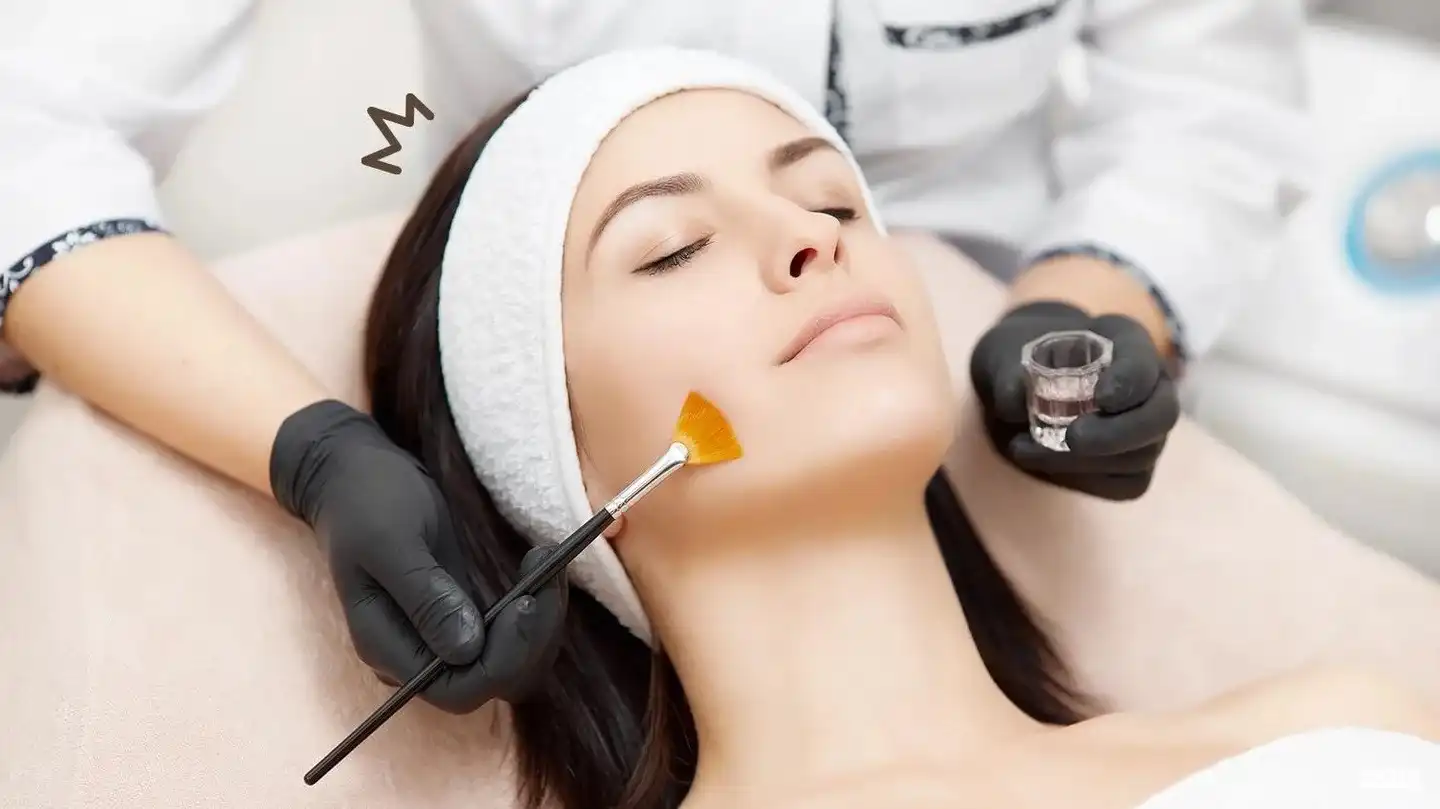
Your chemical peel treatment starts with a thorough cleansing of your skin. Your technician then applies the solution to your skin; you may feel slight stinging as the solution seeps in, but most patients experience little or no pain.
Following your appointment, you may experience a few days of:
- Redness and irritation
- Swelling
- Crusting and flaking
You can use gentle serums and creams to ease these side effects. Avoid direct sun exposure, as your skin is particularly sensitive in the weeks following a chemical peel. You can go back to most of your usual activities following your treatment.
Following medium and deep chemical peels, you may choose to lay low for several days to allow your skin to heal fully. After a deep peel, you’ll wear bandages to prevent infection.
Call Xthetics Med Spa to set up a chemical peel consultation, or use this website to book online.
How do I benefit from chemical peels?
Chemical peels use chemicals, namely hydroxy acids, to slough away dead skin cells and imperfections. The peels reveal fresh, new skin and spur collagen fibers to grow within your skin.
Chemical peels are a way to reduce the appearance of:
- Fine lines
- Sun damage
- Scars
- Acne scars
- Melasma
- Age and sun spots
Chemical peels are effective on the face but are also effective for the hands, neck, and chest.
Which type of chemical peel should I get?
Chemical peels come in a variety of strengths. During a consultation, your aesthetic specialist helps you determine the type of chemical peel that is right for you. The deeper the peel, the longer your recovery time.
You can choose from:
Superficial chemical peels
Superficial chemical peels, sometimes called lunchtime peels, penetrate just the outer layer of skin. They contain a mild alpha-hydroxy acid that treats minor skin discolorations and hyperpigmentation. It leaves you with refreshed and younger-looking skin.
Medium chemical peels
A medium chemical peel uses glycolic acid, or a similar compound, to slough off the upper and middle layers of your skin. Medium chemical peels are effective on freckles, mild to moderate wrinkles, and age spots.
Deep chemical peels
Deep chemical peels use trichloroacetic acid to exfoliate damaged skin cells that are deep below the middle layer of your skin. They’re effective on severe wrinkles, age spots, and acne scars.
When can I wear makeup after a chemical peel?
After a light peel, most people can wear makeup the same day or the next day, once the skin isn’t irritated. After a medium peel, wait about 5 to 7 days, until the new skin has formed. Some branded peels have their own rules: with VI Peel, the maker advises no makeup or sunscreen for the first four hours. Choose gentle, non-irritating products while your skin heals.
When will I see results, and how long do they last?
You’ll see results once your skin has healed, usually within about a week of a light peel. Your skin often looks brighter and smoother after the first peel, and tone and texture improve further with each peel in a series. Results can last a long time with daily sunscreen and good skin care, but sun exposure, aging and conditions such as melasma and acne can bring changes back, so maintenance peels help.
Are chemical peels safe for dark skin?
Yes, light chemical peels can be safe for medium-brown and deep skin tones when the peel is chosen carefully. In a study of 473 light peels in darker skin, dark patches happened after about 2% of treatments and all faded within eight months. Deep peels aren’t recommended for darker skin. We test first, prepare your skin with sunscreen and sometimes a lightening cream, and build strength slowly.
Can a chemical peel help acne and acne scars?
Yes, peels help both, in different ways. For active acne, salicylic acid peels are a common choice and work best alongside your daily acne treatment. For dark marks left by acne, peels can help them fade. For shallow acne scars, a series of peels can soften them, but deeper scars usually respond better to microneedling or Morpheus8, and studies show microneedling combined with a peel works best.
What is the best chemical peel for melasma and hyperpigmentation?
There’s no single best peel, but glycolic acid peels have the strongest evidence for melasma, and salicylic acid peels suit acne-prone skin with dark marks. Peels work best as part of a plan with daily broad-spectrum sunscreen and a skin-lightening routine. Melasma often returns with sun and hormones, so plan on maintenance. Deep melasma responds less well to peel
Chemical peel vs. microneedling: which is better?
It depends on your main concern. Chemical peels are usually the better choice for discoloration, melasma, sun spots, dullness and active acne. Microneedling is usually better for acne scars, texture and enlarged pores: in one trial, it improved acne scars in 73% of patients compared with 33% for a glycolic acid peel. For scars, combining the two often works best.
What is a VI Peel?
VI Peel is a brand of medical-grade chemical peel that combines several ingredients, including TCA, salicylic acid and vitamin C, in different formulas for concerns such as acne, pigment and aging skin. It’s applied in the office, the maker advises no makeup or sunscreen for the first four hours, and peeling usually starts around day 3 and lasts about 3 to 4 days. VI Peel isn’t used during pregnancy or breastfeeding, or on skin with eczema.
How far before a wedding or event should I get a chemical peel?
Book a light peel at least one to two weeks before a wedding, bar or bat mitzvah, holiday or photos, so peeling has finished. If you want a series, start about two to three months ahead. A medium peel needs at least three to four weeks. For a no-downtime glow the week of your event, ask about a HydraFacial. Planning around Yom Tov or a simcha? Tell us the date and we’ll work backward.