Dermal Fillers in Teaneck, NJ
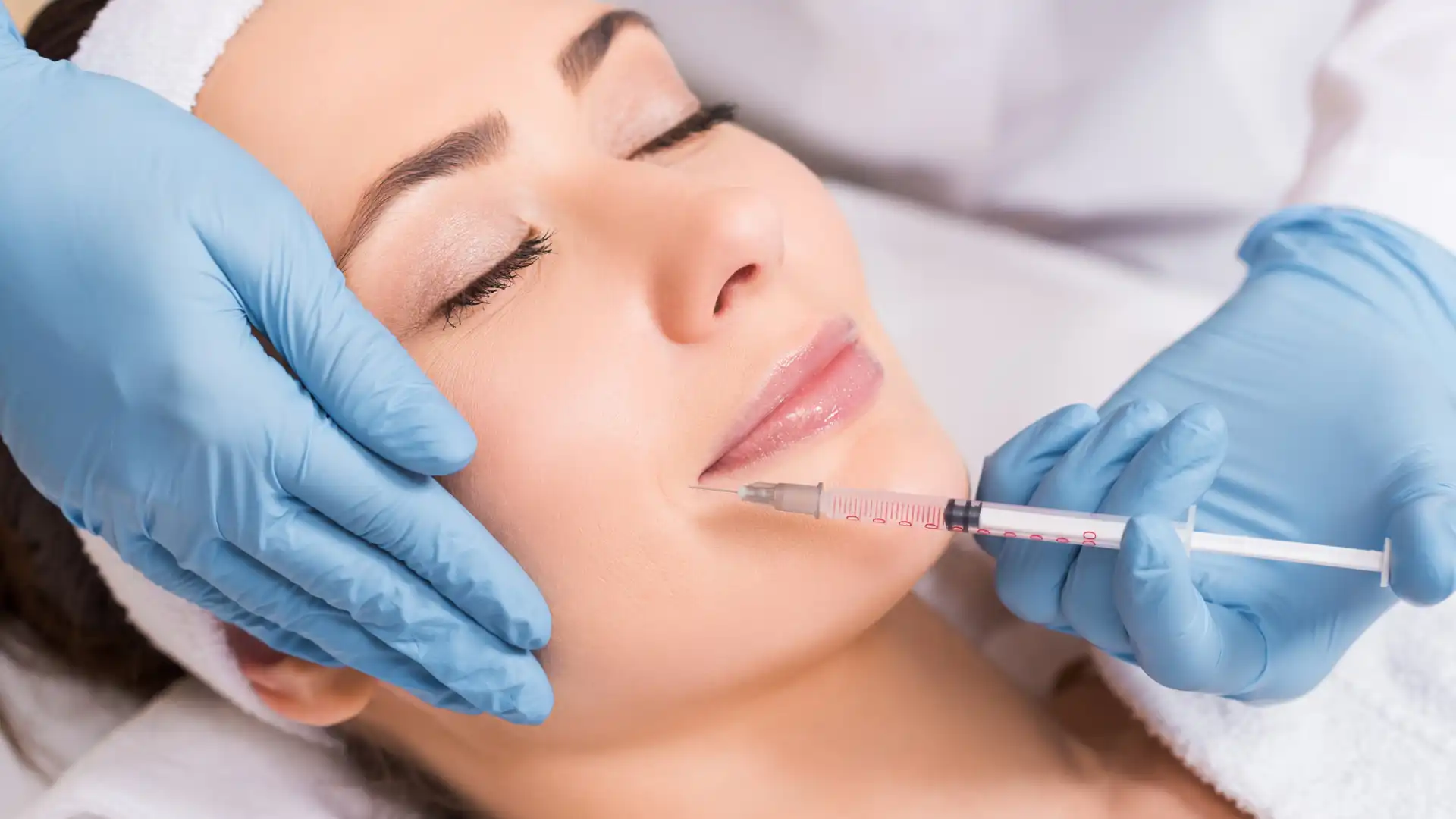
Dermal fillers are minimally invasive injectable treatments that use hyaluronic acid (HA) gel to restore lost facial volume, soften wrinkles and folds, and enhance facial contours. At Xthetics Med Spa in Teaneck, NJ, dermal filler treatments include Juvéderm, Restylane, and the RHA Collection, offering personalized options for enhancing the lips, cheeks, chin, jawline, and other selected facial areas. These treatments provide visible volume enhancement without surgery, with most patients returning to normal activities shortly after their appointment.
Each dermal filler treatment plan is tailored to your facial anatomy, skin condition, medical history, and aesthetic goals. That may mean restoring cheek volume, enhancing lip definition, softening nasolabial folds, or improving facial balance through carefully placed injections. Results are typically visible immediately, although temporary swelling or bruising may occur. Final results become clearer as the treated area settles, and the duration of improvement varies depending on the filler product, treatment area, and individual response.
Dermal filler treatment care at Xthetics Med Spa is provided by Leticia Camacho, DMSc, PA-C, under the medical supervision of Richard Gajdowski, MD.
Conveniently located at 185 Cedar Lane L1 in Teaneck, NJ, Xthetics Med Spa proudly serves patients from Englewood, Hackensack, Bergenfield, Fort Lee, Leonia, and communities across Bergen County.
Call (201) 338-5186 or book online to schedule your dermal filler consultation.
What Are Dermal Fillers?
Dermal fillers are injectable medical products designed to restore volume, smooth facial folds, and enhance selected facial features. Hyaluronic acid (HA) fillers contain a modified form of a substance naturally present in the skin that helps retain moisture and support tissue volume. When injected into appropriate tissue layers, these gels provide structure and fullness, improving facial contours and the appearance of certain wrinkles.
At Xthetics Med Spa, dermal filler options include Juvéderm, Restylane, and the RHA Collection. These product families offer different formulations designed for specific aesthetic concerns. Firmer gels may be selected for structural support in the cheeks, chin, or jawline, while softer formulations may be appropriate for lip enhancement and selected facial lines. The appropriate product depends on your anatomy, desired outcome, and its specific approved indications.
Hyaluronic acid dermal fillers are FDA-approved for specific cosmetic applications, depending on the individual product. Not every filler is approved for every facial area. Although HA fillers can often be dissolved using hyaluronidase when medically necessary, reversal is not guaranteed to resolve every complication. Your provider will review product selection, expected results, risks, and alternatives before treatment.
Dermal Filler Benefits
Depending on your facial anatomy and aesthetic goals, dermal filler treatments may help:
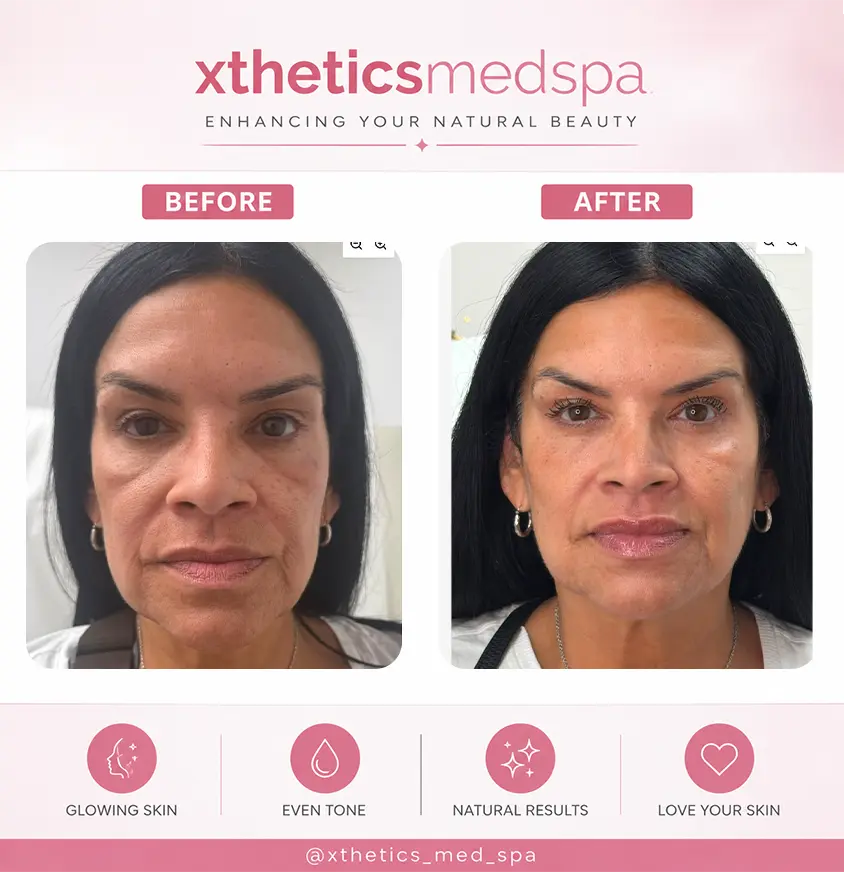
Restore Facial Volume: Replenish volume in selected areas affected by age-related facial changes.
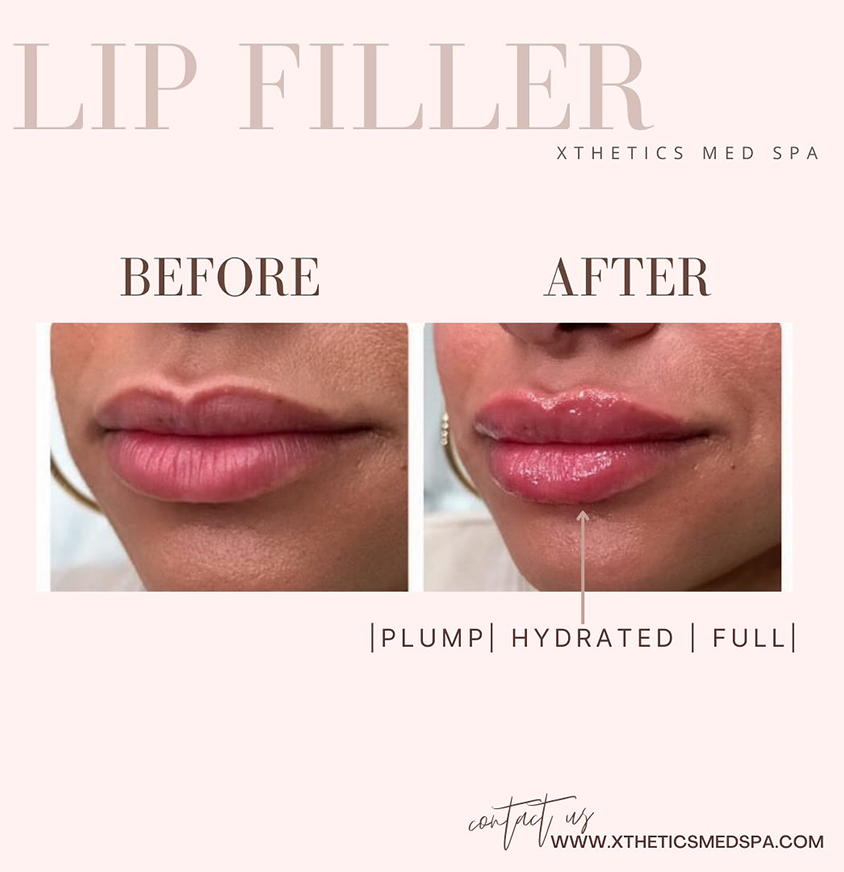
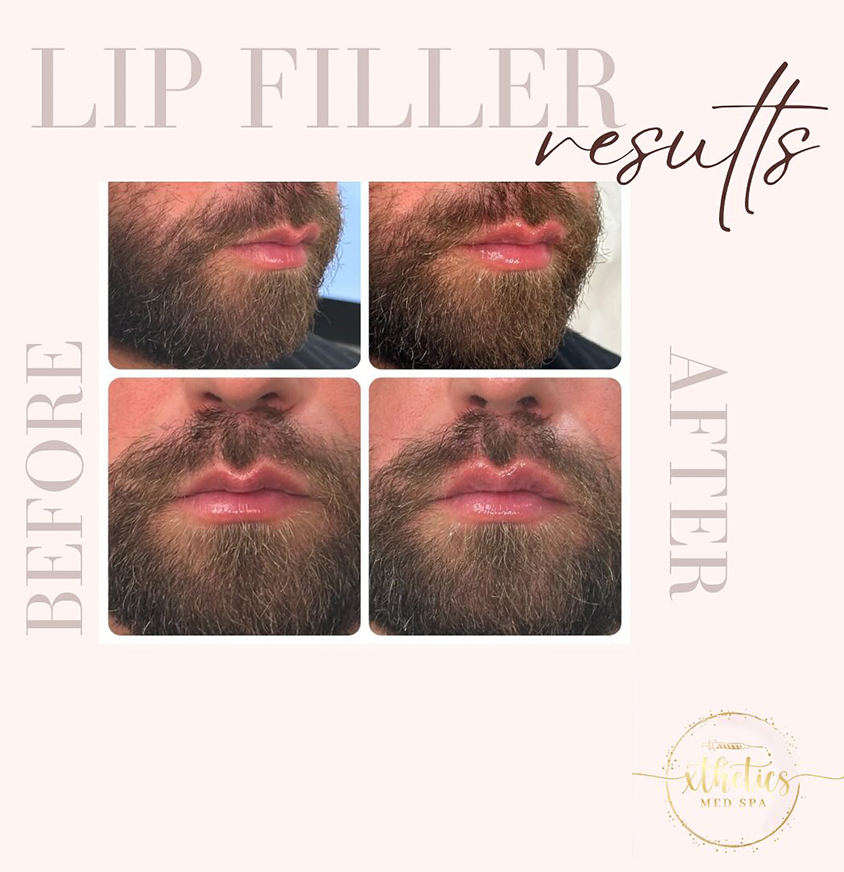
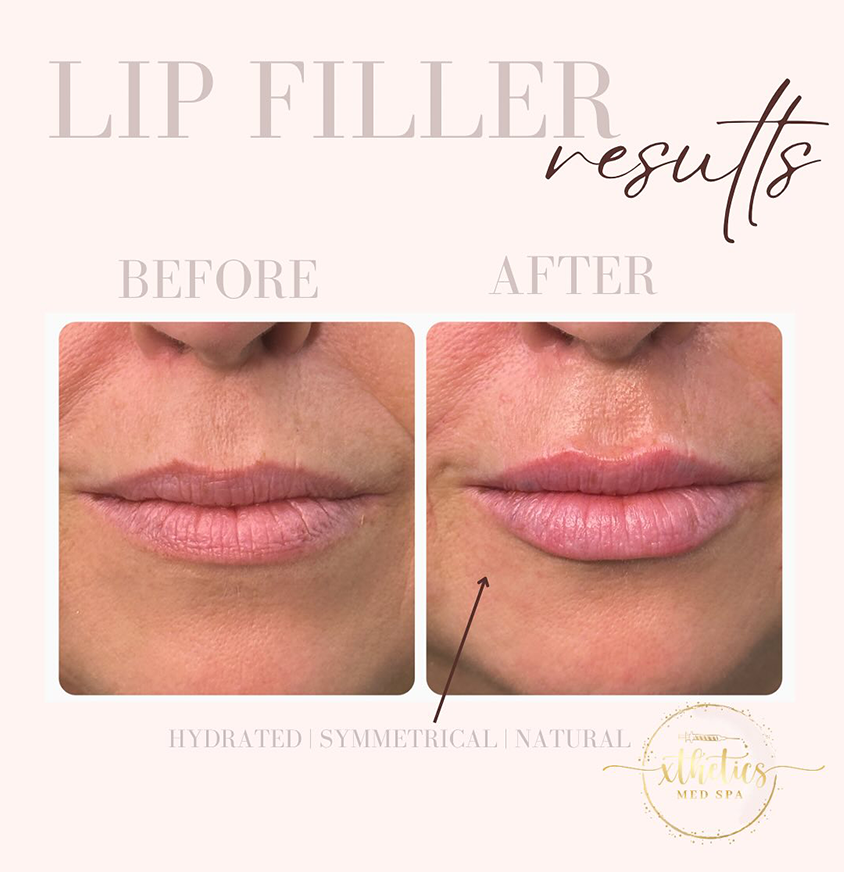
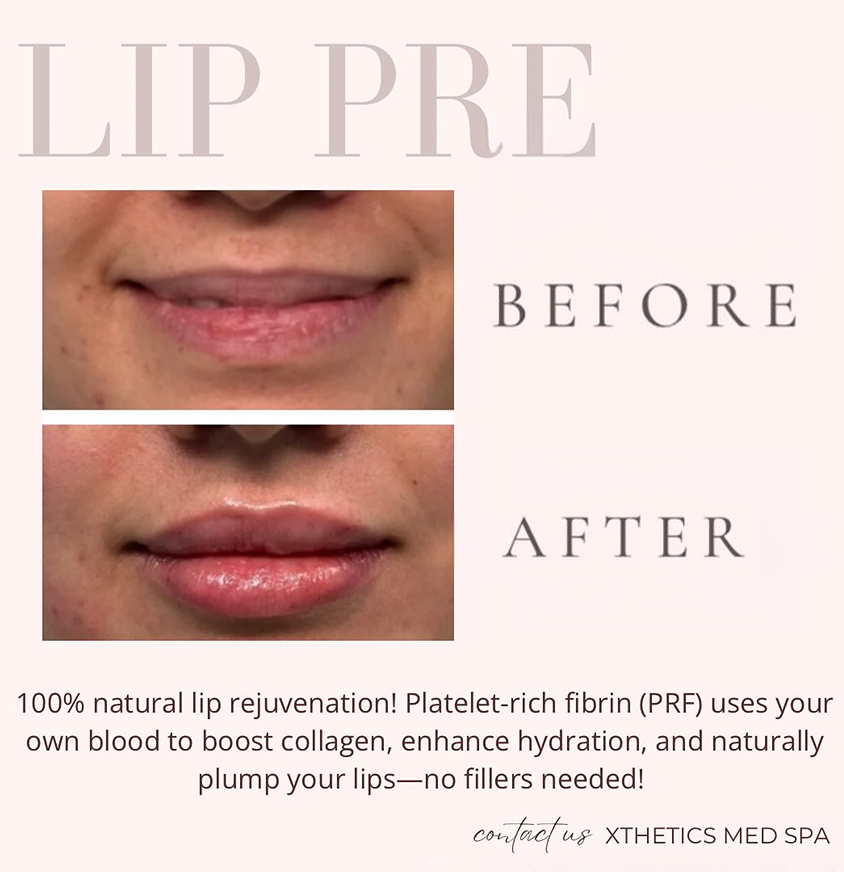
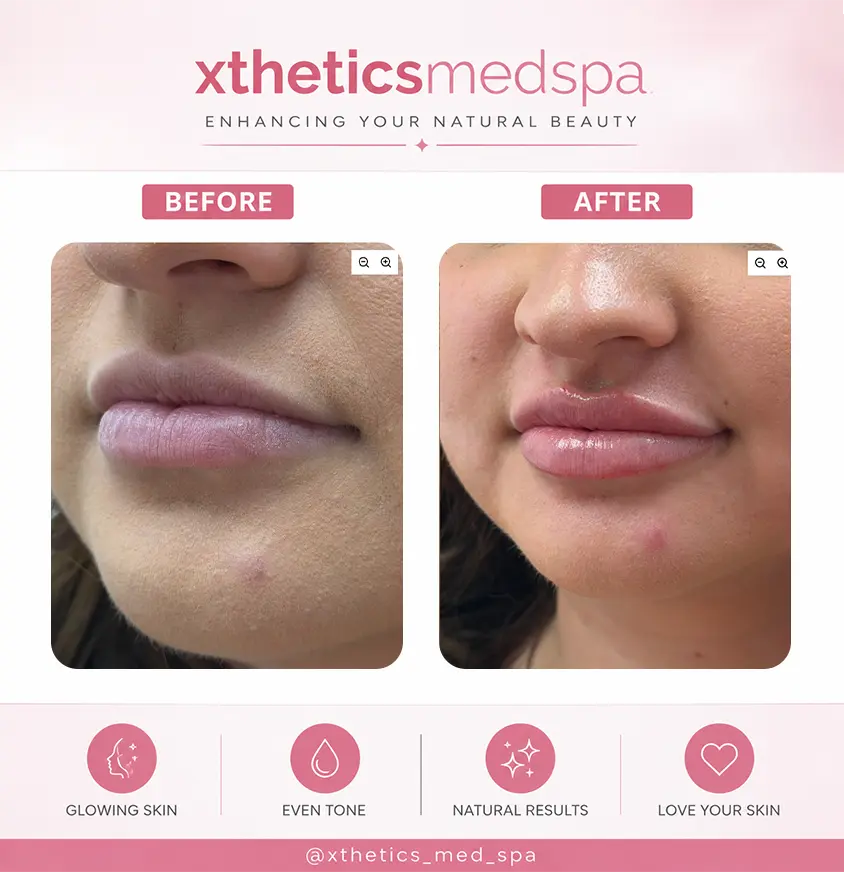
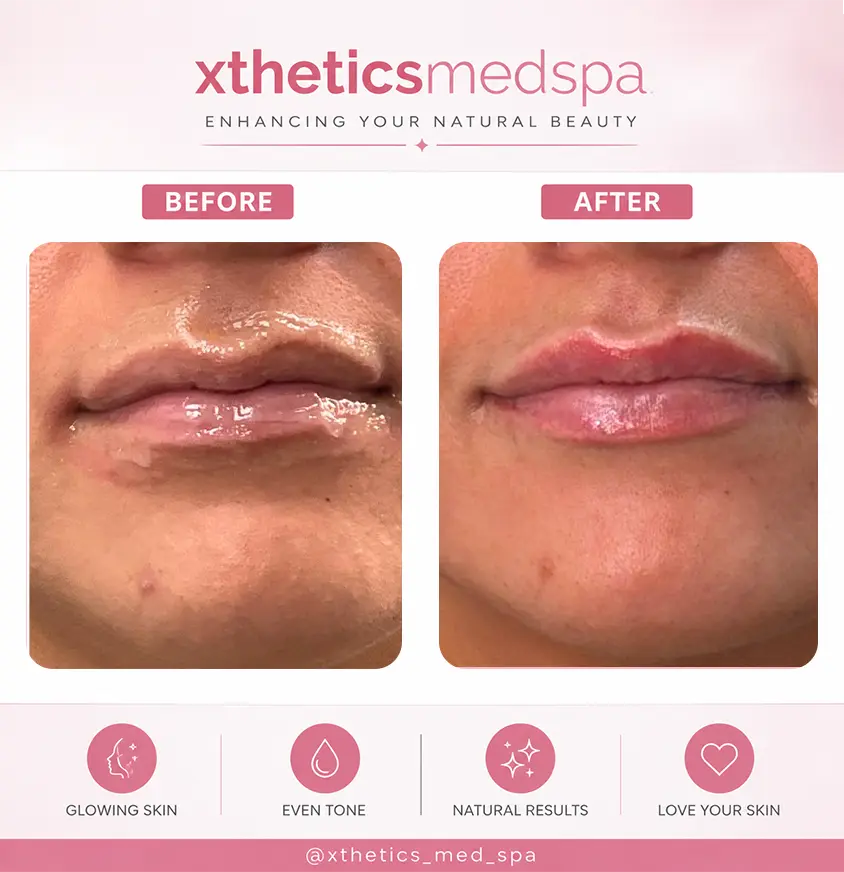
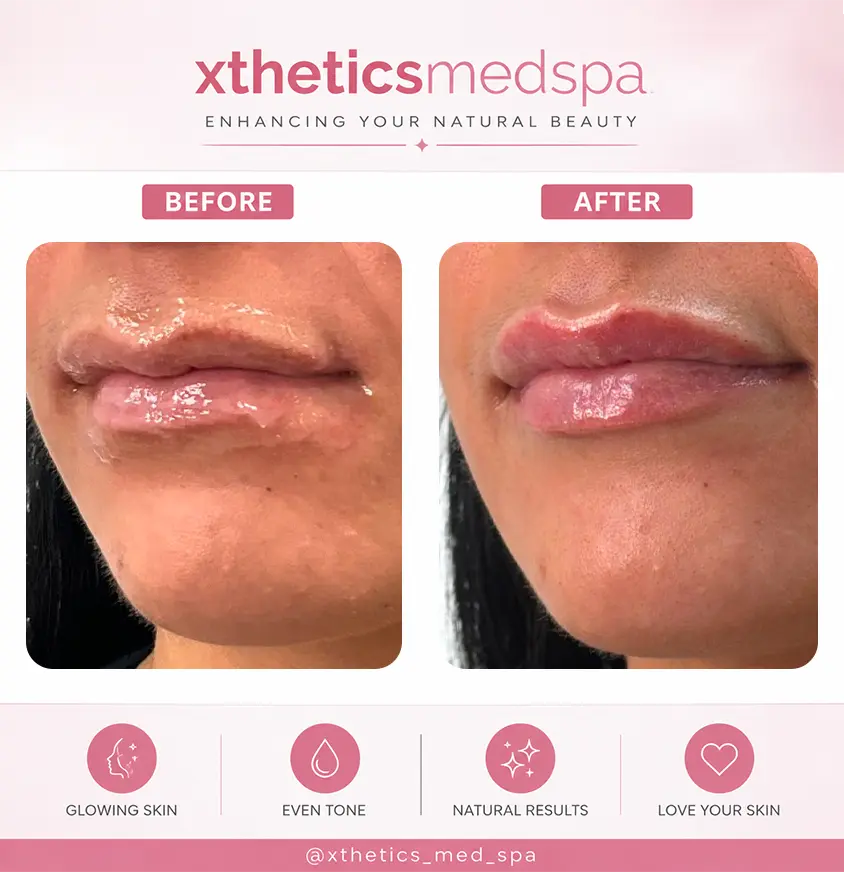
Enhance Lip Shape and Fullness: Improve lip definition, symmetry, and volume while maintaining natural facial proportions.
Improve Cheek Contours: Add fullness and definition to selected areas of the midface.
Soften Facial Folds: Reduce the appearance of nasolabial folds and certain wrinkles around the mouth.
Enhance Chin and Jawline Definition: Improve lower-face contours and facial balance using appropriately selected filler products.
Provide Immediate Volume Enhancement: Deliver visible improvements without surgical incisions or prolonged routine recovery.
Results depend on the filler formulation, injection technique, treatment area, and individual response. Dermal fillers do not directly tighten significantly loose skin, eliminate prominent under-eye bags, or replace surgical facial lifting procedures.
Where Dermal Fillers Can Be Performed
Dermal fillers can be used in several areas of the face and hands to restore lost volume, enhance natural contours, and soften the appearance of wrinkles and folds. Depending on your anatomy, aesthetic goals, and the specific filler product, treatment areas may include:
Lips: Enhance lip volume, shape, symmetry, and definition.
Lines Around the Mouth: Soften fine lines and wrinkles surrounding the lips.
Cheeks and Midface: Restore lost volume and improve cheek contours.
Under-Eye Hollows: Address selected tear trough hollows that contribute to a tired appearance.
Smile Lines (Nasolabial Folds): Reduce the appearance of creases extending from the nose toward the corners of the mouth.
Chin: Improve chin projection, definition, and facial balance.
Jawline: Enhance jawline contours and lower-face definition.
Temples: Restore volume in selected areas of temporal hollowing.
Backs of the Hands: Replenish lost volume and reduce the visibility of prominent veins and tendons.
Not every filler is appropriate or FDA-approved for every treatment area. Certain locations, particularly around the eyes, require additional caution because of the risk of serious vascular complications. Your provider will determine whether filler treatment is suitable for your concerns.
Available Dermal Filler Treatment Options
Depending on your clinical evaluation, facial anatomy, and individual aesthetic goals, treatment options may include:
Juvéderm Dermal Fillers: A family of hyaluronic acid fillers with formulations for selected applications such as lip enhancement, cheek volume restoration, facial folds, and chin or jawline contouring.
Restylane Dermal Fillers: Hyaluronic acid fillers used for selected facial volume concerns, lip enhancement, wrinkles, folds, and other product-specific indications.
RHA Collection Fillers: Resilient hyaluronic acid fillers designed for selected facial wrinkles and folds, including areas affected by facial movement.
Lip Filler Treatment: Uses an appropriate hyaluronic acid filler to enhance lip fullness, shape, symmetry, or definition.
Cheek and Midface Fillers: Restore selected areas of facial volume and improve cheek contours through carefully placed injections.
Chin and Jawline Fillers: Use suitable filler formulations to improve lower-face proportions and definition when clinically appropriate.
Facial Fold Correction: Targets selected nasolabial folds, marionette lines, and other facial creases using products appropriate for the treatment area.
Facial Assessment and Treatment Planning: Includes evaluation of facial anatomy, medical history, product suitability, and injection-related risks.
Dermal Filler Safety and Possible Side Effects
Dermal fillers are medical procedures that require appropriate patient selection, anatomical knowledge, and careful injection technique.
Common temporary side effects include swelling, bruising, redness, tenderness, and discomfort at the injection site. Less common complications include infection, nodules, and inflammatory reactions.
How soon will I see the results of dermal fillers?
The impact of dermal fillers is noticeable immediately. The fillers take about four weeks to settle into your tissues fully. This is when you’ll notice your peak results.
What facial concerns can dermal fillers treat?
Talk to your provider at Xthetics Med Spa about using dermal fillers to help refine:
- Under eye circles
- Thin lips and lip lines
- Low cheekbones or hollowed cheeks
- Nasolabial folds
- Indented scars
- Bony-looking hands
Dermal fillers naturally and subtly improve your appearance. Your friends, colleagues, and family may notice you look younger and refreshed but won’t know you had work done.
How long do dermal fillers last?
Most hyaluronic acid fillers last about 4 to 12 months, but it depends on the product and the area. In clinical studies, lip filler lasted about 6 to 12 months, under-eye filler up to about a year, and some cheek fillers such as Juvéderm Voluma up to two years. Areas that move a lot, like the lips, wear off faster. Imaging studies show the gel can stay in tissue longer than its visible effect, so we build gradually rather than adding more each time.
Do fillers hurt?
Most people find filler very manageable. Most fillers contain lidocaine, a numbing medicine, and in studies it clearly reduced pain during injection. We can also use numbing cream or ice before we start. You may feel pressure and brief stings, and lips are usually the most sensitive area. Afterward, the area can feel tender or tight for a few days
Is there downtime after dermal fillers?
There’s little true downtime: most people go back to work and normal activities the same day. Swelling, bruising, redness and tenderness are common and usually clear within one to two weeks, lasting longest in the lips and under the eyes. Skip strenuous exercise for about a day, avoid heavy pressure, facials, lasers and extreme heat, such as saunas, for about two weeks, and don’t massage the area unless we tell you to.
Can dermal fillers be dissolved?
Yes, hyaluronic acid fillers, including Juvéderm, Restylane and RHA, can usually be dissolved with an enzyme called hyaluronidase. It’s used to fix lumps or overcorrection, and urgently if a blood vessel is blocked. How quickly it works varies by product, and it may take more than one treatment. Using it for filler is off-label but standard practice. Tell us if you’ve had a reaction to bee or wasp stings, since that may raise the risk of an allergic reaction.
How many syringes of filler will I need?
It depends on the area, how much volume you’ve lost and the result you want. Many people start with one syringe for the lips and may need more for cheeks or a full-face treatment. We’d rather start conservatively and add at your follow-up than overfill, because natural results come from a measured approach. You’ll know the plan and cost before we begin.
What’s the difference between Botox and fillers?
Botox and fillers solve different problems. Botox relaxes the muscles that cause lines when you frown, squint or raise your brows. Fillers add volume to replace what’s been lost and smooth lines that are there even when your face is relaxed, such as deep smile lines. Many people use both, often called a “liquid facelift”; in one study, Botox plus filler in the lower face worked better than either alone.
Is under-eye filler safe, and am I a candidate?
Under-eye filler can be safe in experienced hands when the right product is used: Juvéderm Volbella, Restylane Eyelight and RHA Redensity Eye are FDA-approved for under-eye hollows.
Are fillers safe for darker skin tones?
Yes, hyaluronic acid fillers are used safely across skin tones. In a Restylane study of people with medium-brown to dark skin, about 9% had temporary dark spots at injection sites, half of which faded within six weeks, and no one developed keloid scars. Careful technique matters. Tell us if your skin tends to darken after a cut or blemish so we can plan for it.
How far before a wedding or event should I get filler?
Book filler at least two to four weeks before a wedding, bar or bat mitzvah, holiday or photos. That gives swelling and any bruising time to settle, about two weeks, and leaves room for a small touch-up if needed. If it’s your first time with filler, or you’re having lips or under-eyes treated, aim for the earlier end. Planning around Yom Tov or a simcha? Tell us the date and we’ll work backward.
How much do dermal fillers cost in NJ?
Fillers are priced per syringe, so your total depends on the product and how many syringes your plan needs. The American Society of Plastic Surgeons reports a national average of about $715 per syringe for hyaluronic acid filler. Your exact price is confirmed at your consultation.